My Unexpected Day in Harare: Chillin’ with Two Computer Nerds

My Unexpected Day in Harare: Chillin’ with Two Computer Nerds

I was pleasantly surprised to learn the evening we arrived in Harare, that there was someone who was being employed to fix the hostel’s internet problem, who also might be able to take a diagnostic look at my laptop and fix it for me.

I met Mervyn King that evening, and was immediately impressed by his flawless English and incredibly smart personal presentation. It was so wonderful to meet someone whom I immediately felt I could trust and have an intelligent, technical conversation with.

Turns out, Mervyn is a Microsoft certified trainer and had only recently lost his employment with my home-town conglomerate last autumn. His eyes opened like saucers when I told him how close my house was to the Redmond corporate headquarters, and I immediately offered to at the very least, introduce him to some of my acquaintances and connections who work there.

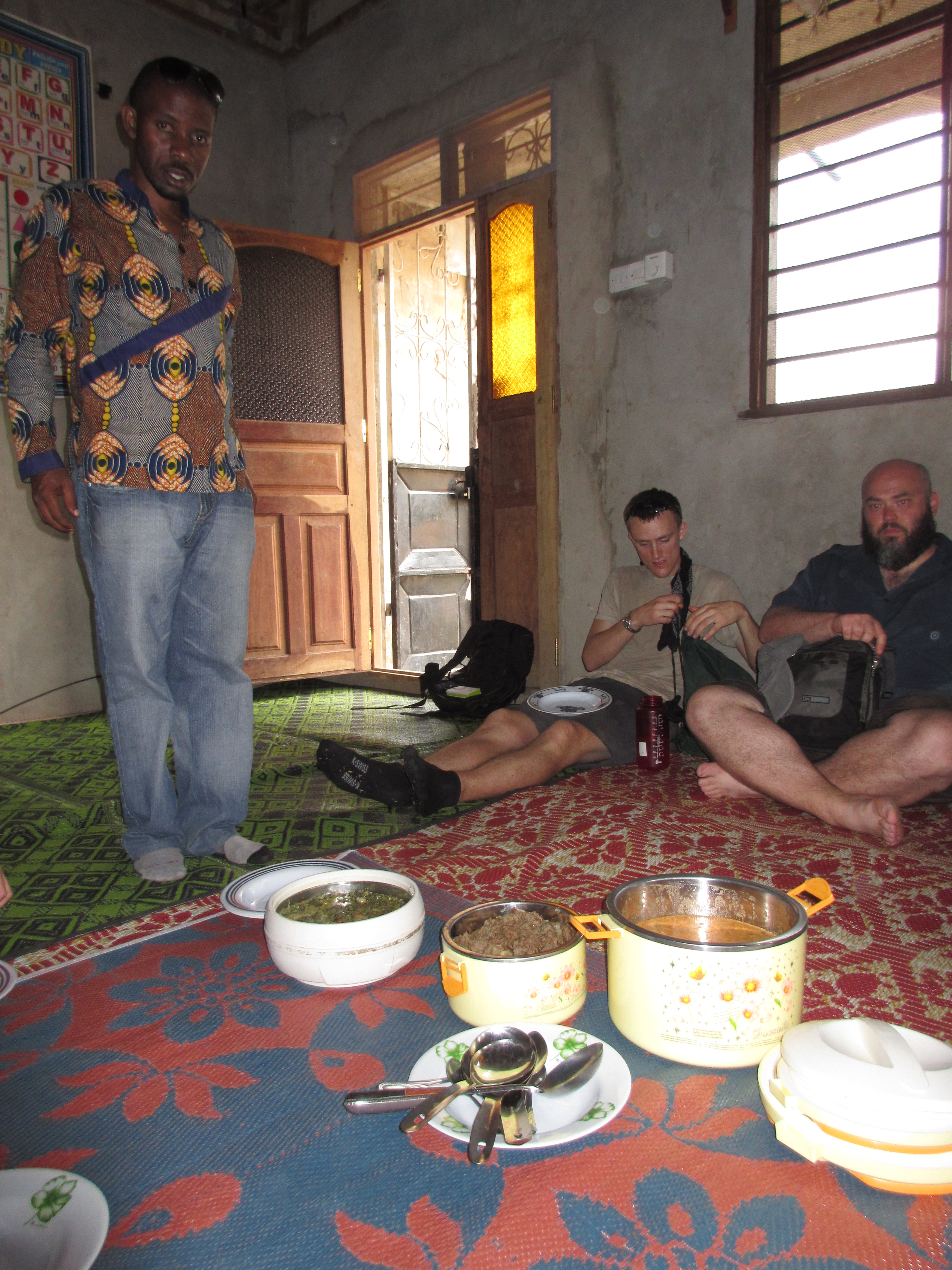
Farai and Mervyn

Farai and Mervyn

Juggling many complex tasks at hand, Mervyn immediately found the issue to be with the screen of my laptop rather than with the computer itself. This confirmed my suspicion. He made phone calls for me to various repair shops and colleagues and then suggested that I wait for his close friend Farai, who was far more adept at solving hardware issues, to come to the hostel and take a look himself. Mervyn believed that I simply had a burned out fuse and by replacing it, functionality of the screen should be restored.

I got restless as I thought the day was going to turn out very much like the one in Lilongwe – waiting around for errands to get taken care of. By lunchtime, I was getting rather anxious to get to DHL and send my tax return to the States by the tax filing deadline. Everyone else in the group had already left to go to town and I was advised not to get a cab as I would be charged to high heaven for being a tourist.

Since Farai was still a ways off and trying to locate a fuse for me, Mervyn suggested I let his cousin, Katherine, drive me into town to go to the DHL office. I accepted his most generous offer and ended up having a lovely afternoon with her and her 3 month old baby daughter Coral. Despite having to go to DHL twice as they initially refused to send my return to the address I’d obtained from the IRS, claiming it wasn’t a physical address (an online search later procured physical street addresses for international delivery services- and I banged my head against the wall for not getting it in the first place) I managed to get the damn thing sent, and learned a great deal about life as a young married mother living in Harare from Katherine.

She talked to me about the enormous wealth gap in her country. Zimbabwe is the 2nd poorest country in the world, with average male life expectancy only at 36. She talked about the corruption, having to bribe the police for everything such as avoiding a parking ticket, struggling to survive on her husband’s wages that had been cut by ¾ after their second child was born. She talked about how services such as DHL and even hiring a lawyer are only a reality to a tiny fragment of the population. If a lawyer charges $100 an hour, how can someone earning $500 a month, which she explained was a very good wage, possibly ever get legal help if fined or arrested for something?

It is a very complex problem in this country where our tour group has also been very severely counseled not to discuss politics with locals…so I was keen to listen, and slow to speak.

She talked about getting pregnant at a young age unexpectedly, and how challenging married life has been since then. How she feels as though she is raising her kids alone – with a slightly absent husband and father. I wasn’t sure to what extent those issues were Zim in nature, however, or whether they were universal.

Playing with her little one, Coral, was also a joy and I wandered around the hostel garden with her giving Katherine a welcome break to talk and, unfortunately, smoke, with her cousin Mervyn. All of the people I’ve met in Zimbabwe so far, are smokers.

With Farai still on his way, I decided to go for a walk into the city by myself around 4pm because I was going a little stir crazy. Mervyn assured me that as long as I left my purse behind, I should be very safe to walk around before dark.

I was so glad that I did. This was one of the first times I’d left the group and been able to simply wander, a traveler’s right that I will never take for granted again. I found myself walking down tree shaded residential streets, through a park, across heavy traffic through fares, and seeing the mass of grey concrete structures increase as I got closer to the city center. Lots of people offered greetings to me as I passed – though mostly not in any sort of harassing way. More in a welcoming way.

I watched women on street corners selling spinach and bananas with their babies swaddled on their backs. Old men with closed eyes lay on the pavement begging for coins. Young men playing snooker on a table parked on a green curb at a street corner. Women walking with entire sacks of potatoes balanced precariously on their heads. Lovers canoodling in the city’s main park – which was a welcome green oasis in what is otherwise a typical African city – busy, devoid of character, and in general disrepair.

Turning around to return to the hostel around 4:30, I got a chance to witness the afternoon rush hour, and throngs of suited and uniformed workers flooded the streets and sidewalks as they made their ways home. The biggest issue I encountered on my wanderings was simply the lack of pedestrian crossings. Huge pedestrianized streets would come to a junction and throngs of people would navigate six lanes of traffic, being forced to wait in the middle of the street, narrowly dodging cars rushing past the other way, before running across to the secure pavement on the other side.

I was one of them.

I returned to the hostel somewhat refreshed and relaxed. Farai was there already pulling my laptop apart in the lobby. Introducing myself to him, I was once again struck by his intelligence, but also by his calm and personable demeanor.
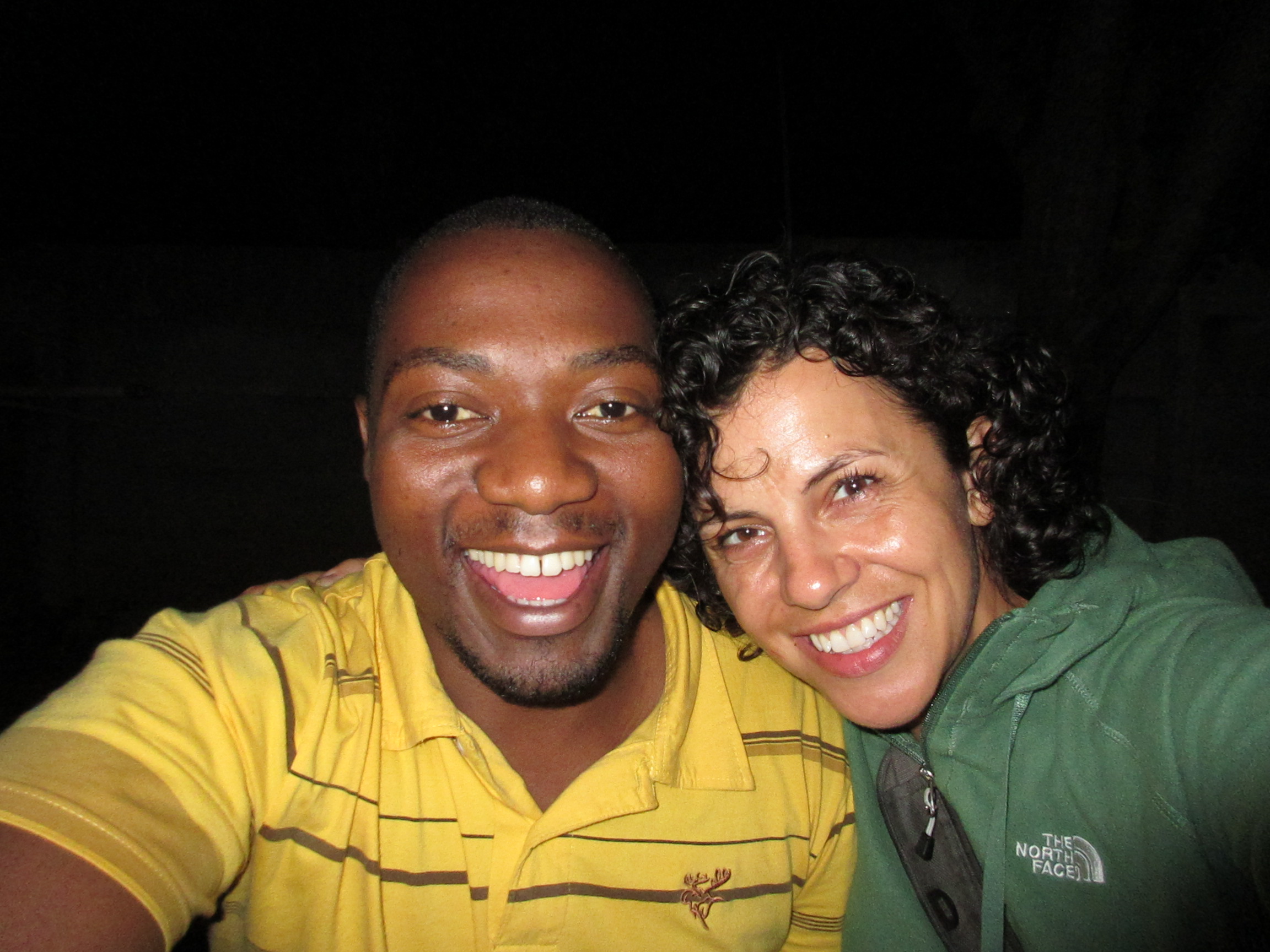
With Farai

With Farai

It was decided that we had to return to the city to secure the part Farai felt he needed, or, to find a replacement screen for the computer. The office where some of his friends in the business worked was open till seven. We decided to all go together (Mervyn decided to tag along – which I suspected was for social reasons) and the boys went ahead of me to negotiate for the kind of cab fare a white woman could not procure.

I found myself about an hour later, climbing four floors of a narrow stairway in one of Harare’s dilapidated high rises, and entering an office containing about five guys sitting around various desks with computer parts strewn all around them.

As Farai began to converse in his native Shona language with his colleagues and began explaining what he believed to be the issue with my laptop – it suddenly occurred to me that I’d put myself in a very precarious situation.

Here I was, with two techie nerds that I’d just met that day, sitting as the lone woman, in a tiny office with about seven guys and a door with a lock on the outside. If I were to be robbed or raped, I was pretty sure I wouldn’t be getting much in the way of sympathy for having so foolishly put myself in such a potentially dangerous milieu.

I don’t know why, but I felt safe with Mervyn and Farai. And, much to my surprise, I was beginning to have fun.

Determining that there were no screen parts or fuses available that would be compatible with my Lenovo, we were advised to instead treat the fuse with methylated spirits. So, the three of us made our way back to the hostel, detouring first to Farai’s apartment to grab the spirits.

Along the way, we became better acquainted. The boys told me how they were both self-taught in their relative software and hardware expertise. They had been friends for so long they considered each other as brothers, each claiming that the other had taught him much of what he knew. They discussed the struggle to find work, and get by, but also clearly they both really enjoyed the problem-solving nature of working with computers.

They asked me about life in America, and we had a long drawn-out conversation about race relations that had both of them fascinated and asking lots of questions. By the time we were a few blocks from the hostel, we summarily decided that since we most likely had a long night ahead of us, libations were in order.

I, of course, out of sheer gratitude for the persistence and determination both guys were showing for getting my silly little laptop fixed, offered to buy both of them dinner and get the booze.

Mervyn was in rare spirits, excitedly explaining how long it had been since he’d been able to enjoy such treats. We settled on vodka and the delicious soda, Cherry Plum, for drinks, and each of them grabbed pork and rice for their dinners. The total was less than twenty bucks for everything and I was very happy to treat them.

Getting back, we settled at a table separate to where my crew was eating and proceeded to get rather merry telling stories and sharing experiences. Before I knew it, it was nearly 11 o clock at night and we still hadn’t tried the spirits on the damn computer.

Trying hard not to giggle incessantly, the three of us stayed awake till about 2:30am trying desperately to get the damn ThinkPad to think. At one point, the screen flickered to life for a total of about ten seconds, while Mervyn was out of the room. Convinced that it was simply a “bad connection” – Farai felt confident that neither the fuse nor the screen were to blame for the problem.

Unfortunately, it was now too late to try other things and we were all fighting our bodies urge to sleep. Mervyn declared that I was to take his laptop instead – and he would simply switch out the hard drives and stay up through the night downloading the necessary HP and Lenovo drivers so that a fair exchange could happen – giving Farai more time to work on my laptop that he would then just sell to replace Mervyn’s computer.

The idea seemed crazy to me as Mervyn’s computer was far nicer and newer than my little shitty old thing. I wouldn’t have it – so, after the crazy fun day I’d had with these two nice boys – I made the decision to trust, and I left the laptop with them. It was already in pieces, and each of them assured me it could be fixed and then shipped to Victoria Falls in a week.

Offering me additional assurances, Mervyn gave me his mobile phone and his ID as collateral. He asked me to stay in close touch and for me not to worry.

So far, I’ve been in touch with both Mervyn and Farai daily and progress is being made. However, it’s not just for my laptop that once working I’ll be extremely grateful for. It’s for the two new friends I’ve made in Harare- whose hearts are wide and warm, and who, I am certain, I will see again at some point in my future.

It was a most unexpected and fantastic day.
A Mosey through Mozambique

A Mosey through Mozambique

Our day and a half spent in Lilongwe was rather uneventful. Our campsite was situated quite far from the city center and there was not much to see there in any case. It is also considered a rather dangerous city, therefore, I was only able to wander in so far as I could find another member or preferably members to go anywhere with. I had a number of errands to take care of – namely getting a police report for my stolen iPhone, re-printing my US Tax return to mail back home because I’d forgotten to bloody sign the paper version (my identity was stolen prior to my trip and I had to send a packet of forms to the IRS letting them know that someone had illegally filed my tax return using my social security number – this included sending a paper version of the return, and since I’d e-filed these past six years, I forgot to sign the damn thing) and finding a DHL office to send it back.

The report at the police station was an interesting experience. First of all, I had to pay for the report, 5,000 quatcha, which is about $13…this is pretty much a bribe and as my Kenyan tour leader explained “is how it works in Africa”. This was a place to talk and charm the police officer and then wait hours while they type up their report, which inevitably contains lots of errors and will only hopefully pass for what I need to make a claim on my travel insurance. It was a hugely inefficient office and everything I said was questioned, laughed at, and treated with the utmost skepticism.

I would not want to have to actually report a crime that I had a vested interest in getting investigated here in Malawi.

After a frustrating 2 hours at the internet café, I managed to get my return printed only to find out that they wanted 50 bucks to send the thing back to the States and it might take longer than two weeks. I decided to wait till Harare and hope things moved a little quicker there.

Once I’d grabbed some lunch, I was so spent that the only energy I could muster was to walk back to the campground and have a swim in the pool to beat the blistering heat.

The only other event of significance that happened in Lilongwe was the ant attack. Sleeping in my tent that night, I felt something crawling along my arm and neck. After several attempts at swiping whatever was moving on me away, I cringed as I reached for my headlamp, terrified to look at what was going on around me.

Shining the light – I saw that I was literally in the middle of an ant super highway that was pouring into my tent and making its way across and through my sleeping bag towards my head. I jumped out of the tent and starting shaking, and bashing the little bastards as best I could, but it took quite some time. I wandered over to the other tents and started whispering people’s names hoping to catch some sleep in ant-free accommodation. I later found out that most of our group had also been attacked during the night and had already relocated to sleep in the truck. I found one person awake on the other side of the campground and he kindly let me put my sleeping pad and bag in his tent. Despite being ant-free, I kept waking up in the middle of the night still feeling the damn things crawling on me – but this time it was psychological.

Nevertheless, I was quite miffed the next day to find out that the truck carried a bunch of bug spray on board and that we could use it that next night at our “bush camp”. That would have been useful information to have sooner….

Sigh. This is Africa.

The next two days were long long drives to get us to Harare. The Malawi/Mozambique border was one of the more paranoid crossings we’d experienced yet. It took about an hour and half in line, and there was a laborious process that included having a photo visa issued with a printer that we paid $76 for. I look about as bedraggled as ever, and my mug shot lookalike now adorns the very first page of my British passport.

Nice.

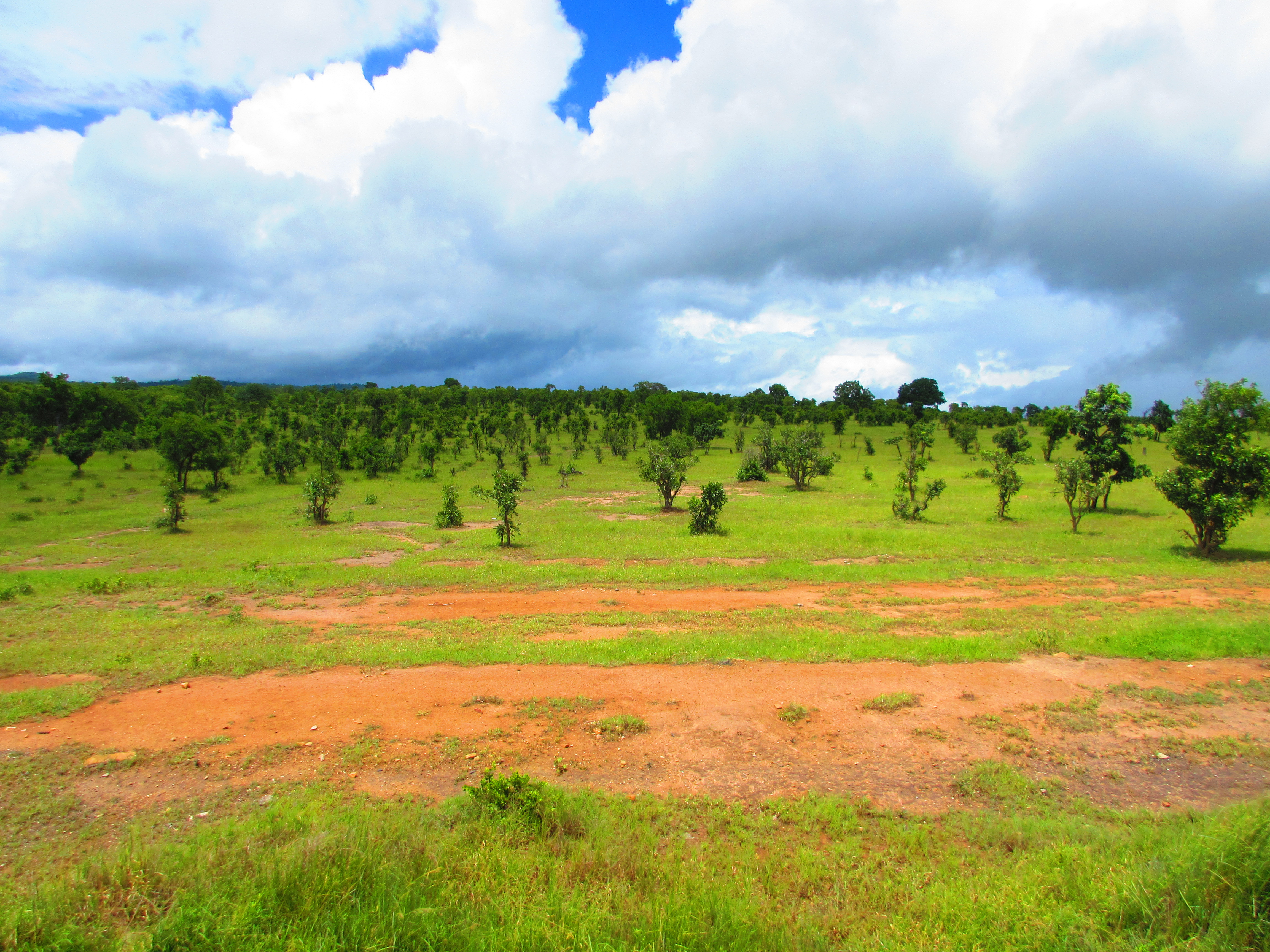
The officials at this border took their sweet sweet time, taking a break whenever the mood struck, despite the long line of people trying to enter their country, and at such a high cost. We were only going to be driving through, and our guide informed us that we were not to take any photographs of the countryside unless they explicitly designated it a safe photo stop. Weird, right? Much of the country is under strict military watch and the roads have stringent policies regarding trucks and stopping – which we couldn’t do much of either. There were not many pee breaks this day and it was overall a rather uncomfortable experience.

I also found it rather amusing that the customs official processing my visa kept asking me why I don’t speak Portuguese. This used to be a Portuguese colony – but I still found his persistent question bizarre, especially since I couldn’t tell if he was joking or being dead serious.

We had a picnic on the side of the road as storm clouds gathered and we had rolling breaks of thunder. That night we would be bush camping – which basically meant that we would be camping just off the highway with no running water, facilities, or shelters of any kind except for our tents.

The area we chose to camp was actually quite scenic, and I enjoyed the peace in the evening and the sound that the insects made combined with the distant thunder that pursued through the night.

If we thought the Malawi/Mozambique border was bad, the Mozambique/Zimbabwe border was even more stringent – and we waited two and a half hours for our visas, at a crossing which again had no toilet facilities.

I was rather relieved to arrive in Harare at Small World Backpackers to discover a hostel that was like your grandmother’s stately colonial cottage, and I immediately paid the 3 bucks a night to upgrade to a dorm room. I happily discovered that the hostel also had satellite TV – and not having watched anything in over a month, found myself overjoyed sitting on the couch, showered, with some wine and chocolate watching a re-run of Jurassic Park.

Sometimes, when travel is this arduous, it really is the little things that you’re reminded of being grateful for.

Chilling in Kande – Southern Lake Malawi

Tags

,

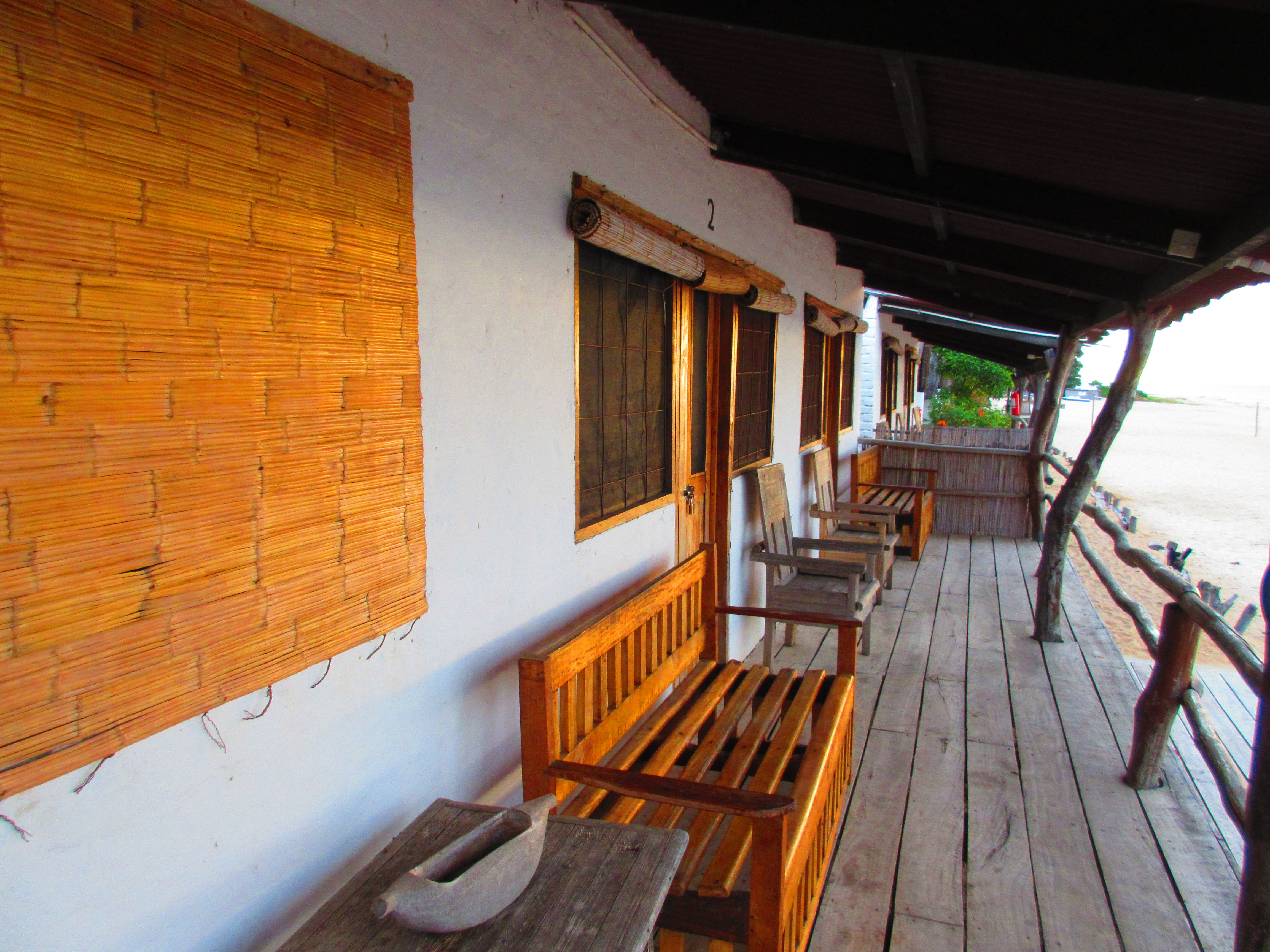
View from my room on Lake Malawi in Kande

View from my room on Lake Malawi in Kande

We have spent the last 3 nights in a resort campground called Kande, and I decided to treat myself by upgrading to a room. I chose a non-ensuite room that was directly on the beach, with a balcony overlooking the azure water and just steps from the long white sandy beach. At $29 it was a steal of a price for beachfront accommodation.

Lake Malawi is the most bio diverse lakes in the world and contain hundreds of species of cyclid fish. At 28 degrees year round, it also makes for very pleasant swimming and diving conditions, no need for a wetsuit.

On our first evening in the camp, after we’d settled into our accommodation we enjoyed a meal of bangers and mash and someone suggested a dancing game involving a giant square divided into smaller squares that one had to dance in, not allowing your feet to step outside your respective box. Somehow, and inexplicably, this game kickstarted one of the best nights of drink fuelled fun our group has had yet. Within a short amount of time, we were blaring music from the truck, lip syncing songs from the truck’s “stage”, pole dancing on one of the campground support structures, and dancing/laughing all together.

It was a revelation.

My own balcony on the beach

My own balcony on the beach

Unfortunately, another truck of Germans clearly did not appreciate our effusive joy at this social breakthrough that we were having. Some difficult exchanges occurred when several drunker members of our group decided that they should invite that group over to join us, much to their amazement and incredulity. Once things had started to die down, I did approach them again and offered my sincere apologies for the noise and offering the explanation that this was honestly, the first time our group had connected this way, which they seemed to only half-believe.

I went diving for the first time in freshwater the next day and rather strangely, in the afternoon, after hearing that for the lake, the visibility tended to improve later in the day. The rest of the group decided to attend the killing of a pig that we were going to roast for our costume party themed hog roast that evening. I couldn’t understand why people would want to go watch a pig being slaughtered, but then again, I have to ask myself why then I eat meat if I’m so uncomfortable with the killing of an animal.

Diving in the freshwater was certainly a different experience and the buoyancy was rather different, weights not even being required. Unfortunately, the visibility on this particular day was very weak, only about 5 meters total. The murkiness of the water did add a certain enjoyable dimension to the dive, a certain eeriness, but of course, I would take crystal clear water over that any day of the week. Certainly the fish population was rather unique and plentiful and there were some interesting rock formations that we could dive through, under and around that made for an interesting dive time.

The cabins at Kande Resort

The cabins at Kande Resort

We swam over to the rocky atoll after our dive and climbed up to a rock about 7 meters above the water and took a jump into the water below. It certainly was one of the higher jumps I’ve taken in my life, enough of a drop to really feel the free fall in your gut. Good fun.

We enjoyed an incredible meal of the fresh pork together with potato salad and coleslaw. It was rather delicious, and after dinner we presented the costume that we had purchased to our secret member of the group (we bought costumes for each other in a secret santa style.) It was hilarious and of course, most of the guys received a woman’s outfit of skimpy mini skirt and revealing tops. Unfortunately, most of the women had guys buying their outfit for them and most of us received frumpy, sack-like creations which were totally unflattering. Mine didn’t even have buttons on the front blouse section, so I decided to rock my red bra in an attempt to make the outfit work.

Fancy Dress Hog Roast Party

Fancy Dress Hog Roast Party

Overall, the night was a lot of fun, and we danced until about 1am. A few of the younger members of our group hooked up with members of the Aussie truck and hopefully, no new people were created that night. Not that we’d ever find out – nothing more than first names having been exchanged in addition to bodily fluids.

Today being our last day here in Kande, I took the day to catch up on writing the blog thankfully borrowing a Surface from Benoit (it has been excellent, and makes me want to buy one when I get back to the States), swimming in the lake, reading and taking a very long nap. It has been lovely and re-humanizing.

Tomorrow we drive to Lilongwe.


Lake Malawi – A Day in Livingstonia

Tags

, ,

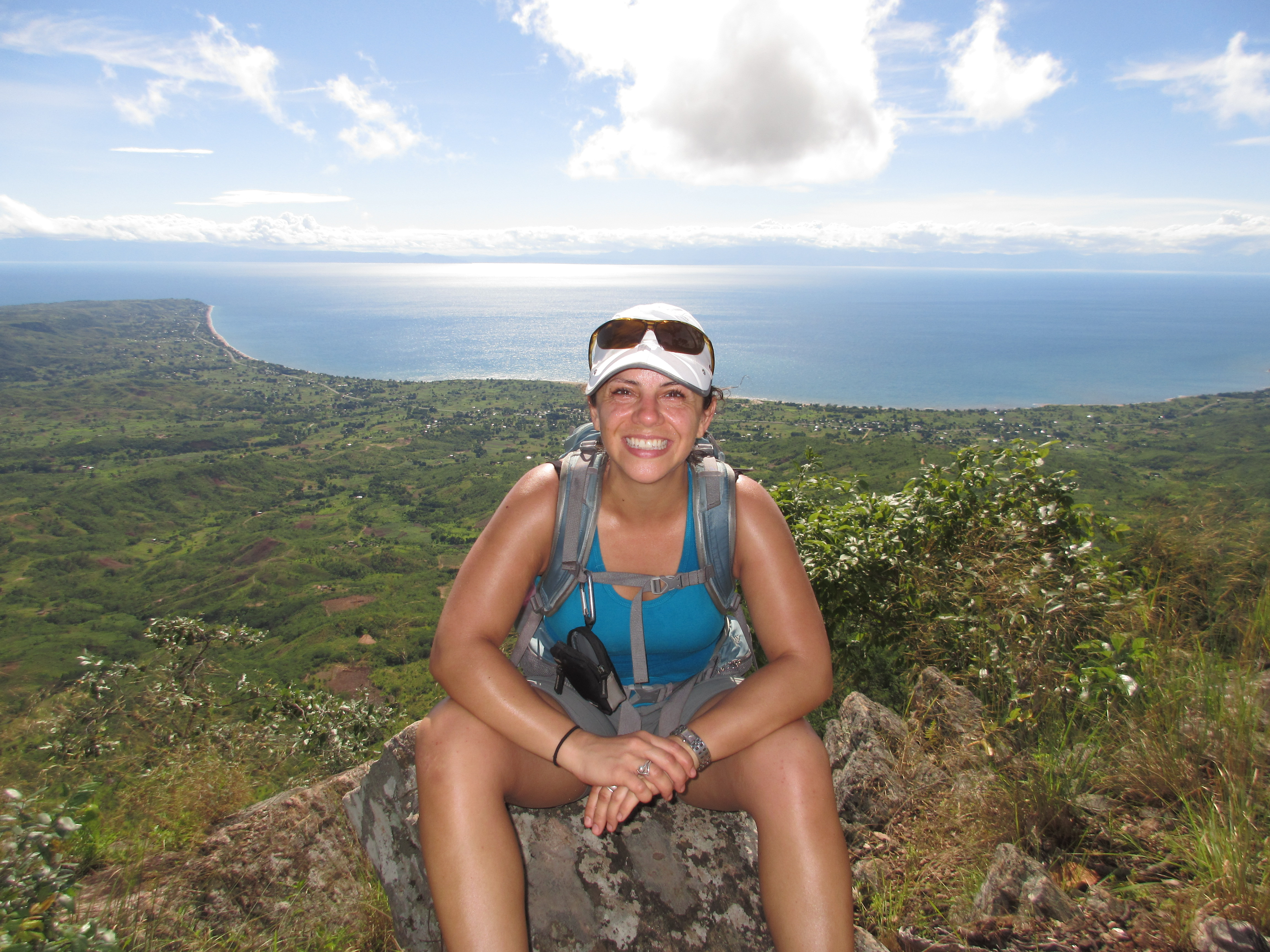
Overlooking Lake Malawi hiking towards Livingstonia

Overlooking Lake Malawi hiking towards Livingstonia

After three very early mornings, it was not my natural inclination to embark on a hike the first morning in Malawi at 6am. But after the initial blurry eyed pain of awaking to the dawn, and walking out of the campsite, I was immediately washed over with gratitude for my decision to go. We would be leaving the lakeshore and heading up into the hills to the settlement of Livingstonia – named after David Livingstone by a subsequent doctor and Christian missionary by the name of Robert Laws towards the end of the 19th century. Unlike Tanzania, about 80% of the population is Christian, and it’s hard to believe that this is only the case because of the western missionaries who devoted their entire lives to living through the physical hardships of 19th century Africa to spread the word of Christ. Livingstone, and the explorer Stanley who later journeyed to this continent to find him when he went missing, are very much part of the lore of the places we’ve visited thus far – and if any of you, dear readers, can recommend a book that I might acquire that would give me a good readable account of their lives and work, I’d be most appreciative as I find myself now really wanting to know more about them and the context of what they did.

Livingstonia today is a thriving community of about 4000 inhabitants and it still has the church, and hospital established by Dr Laws as well as two technical colleges for the surrounding villages and towns. The Muzungu, or white person, is not an uncommon sight in this area (still lots of western volunteer health workers and missionaries) and thus the locals that we came into contact with showed no signs of surprise or judgment when we engaged them.

My body was super stiff and sore from the long days of travel and soon I was revitalized by the effort and physical challenge of a steep climb through tropical forest, an ever changing view of the lake below us. Our guide’s name was Dickson, and during the course of what turned into a 13 hour hike, I got to know him quite well. Well, at least as well as his somewhat limited English could communicate.

Setting out through Chitimba village at 6am

Setting out through Chitimba village at 6am

Dickson was 27 years old and raised his two younger siblings from the age of 12 when both of his parents died from cerebral malaria. He told me that he chose to work to support his brother and sister and help pay for their school fees and that once they graduated, he wanted to go learn how to be a mechanic. It turns out that he was doing a favor for a friend of his who typically guided this tour who found himself hung over this morning after too much beer the night before. As such, Dickson was woefully under prepared for a day of physical exertion in the heat. He had already walked 4kms from his home when he picked us up from our campsite at 6am, and wasn’t carrying any water, food, or money for the day. I got really worried for him, but he continued to refuse any of the water that I had drunk on our ascent which took four hours of climbing along switchbacks in a muggy forest before emerging into the village of Livingstonia, which thankfully had ample tree-lined streets for shade. I had already finished my two litres when we got to the church, and thank goodness I had my Steripen, as we were able to refill all of our bottles at a public tap and treat it there and then (Sandrine and Benoit were the only other two from our group who decided to do this day trip with me) I insisted on sharing snacks with Dickson all day and then bought him lunch from some locals that were having a Sunday picnic outside the church after service.

Hours later, finally having broken down and acquiescing to share my water thirstily for our descent, Dickson admitted that he had been thirsty on the ascent, but that he didn’t want to deprive us of our supplies, and also that he was too poor to buy a bottle that he could re-use for his job as a guide. Getting only ½ of what we paid for the trip, he stood to earn $4.50 for his very long day (I ended up giving him a 5 dollar tip, though I was later plagued with guilt that even this wasn’t enough, and was tortured with the knowledge of what a true impact 20 dollars would have in his life – and very little in mine) If true, this information breaks my heart and I took his address at the end of the day and promised I would mail him some reusable plastic bottles – making him promise me that he wouldn’t lead this trip again without ample hydration.

At the start of our hike, 15kms one way to Livingstonia!

At the start of our hike, 15kms one way to Livingstonia!

Apart from enjoying the society of our sweet natured, if inadequately prepared guide, we were lucky enough to interact with a number of locals during our visit of Livingstonia.   It was Sunday, so all the villagers were dressed in their Sunday best as they attended church. Though we couldn’t understand the service, the three of us went into mass for a half hour or so, and I thoroughly enjoyed the congregation’s energy and the incredibly harmonious singing was emotive and powerful. Our joy was somewhat muted when the Parish deacon came over to us and insisted we pay him 500 quatcha for the privilege of entering the church. That was a first – being charged money to attend mass??

We got to sit in the grass under the shade of a giant tree and eat a picnic lunch with our hands together with the parishioners who sold us barbecued chicken, sima (a rice like starch made from corn) and beans. A few of the kids played with us and let us take their photographs – their smiles lighting up their faces as they giggled with us.

After lunch, we visited the museum which used to be the residence of the founder of Livingstonia, Dr Robert Laws. It housed some interesting exhibits that detailed what life had been like here in the early days of the Christian ministry – battling malaria, tribal warfare, anti-colonial uprising and the efforts made by those missionaries to inform the world and put an end to the atrocities of the slave trade that was being ran by the Portuguese through Mozambique, supplying Africans to the middle east. Incidentally, almost all of those unfortunate male slaves that were sent to Oman and other areas in that region were castrated before making the voyage – which is why there is only a small remaining population of these Africans’ descendants in the middle east, as opposed to the vast communities that developed in the Americas.

The Church at Livingstonia

The Church at Livingstonia

The one story on display that really touched me was when civil anti-colonial unrest broke out in Malawi in 1959, and concerned for the European missionaries lives, the English sent an airplane that dropped a canister containing an offer of a rescue should they be in fear of their lives. They were to construct the letter V if they wanted to be rescued or the letter I if they were ok, the letters needing to be big enough that they would be visible to the plane that would fly overhead the next day. After discussing it, the white missionaries decided they would stay the course, but wanting to convey the message that blacks and whites could co-exist in harmony during those turbulent times, they spelled out a biblical verse above the letter I, finishing it just as the plane showed up. The verse was Ephesians 4:2 and the bricks they used have since been whitewashed and are still preserved for visitors like us to see when they visit.

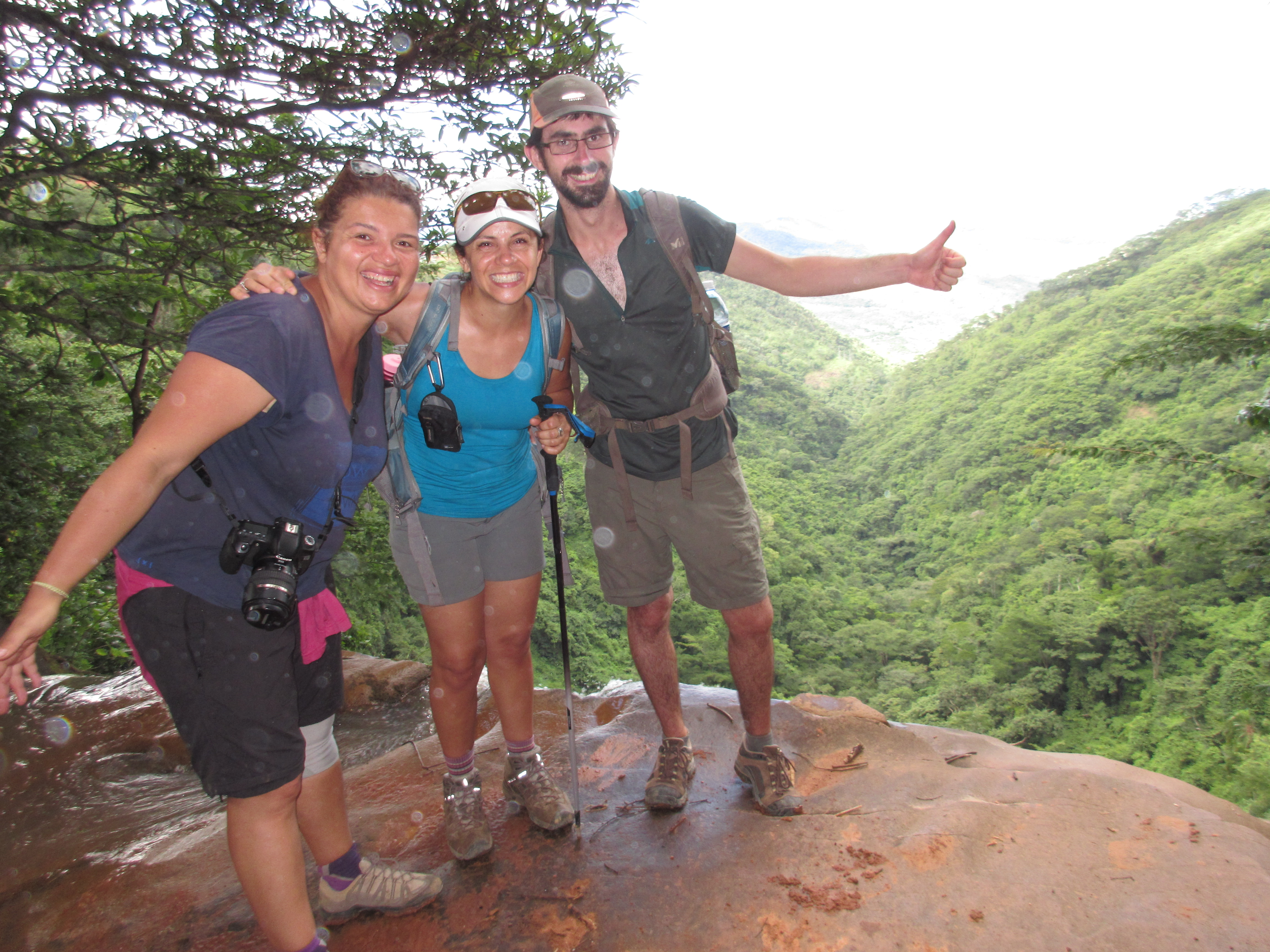
Since it was getting late in the afternoon, the three of us decided that we should take some form of transport to get back, otherwise we’d be facing a roughly 28 km or 18 mile day and we’d not get back to the campsite before dark. Dickson arranged with a local truck to pick us up outside the waterfall in an hour or so, giving them his cell phone number to call when they were ready to depart. We proceeded to have a leisurely swim at the waterfall named Macheme falls – which were unique in that we swam in a pool that had formed BEFORE the falls plunge some 300 feet, such that it took the appearance of an infinity pool that if you swam too close to the edge, you might get caught up in the flow and fall to your death.

At the top of the waterfall, a 300 foot drop behind us!

At the top of the waterfall, a 300 foot drop behind us!

We stayed well away from the edge.

To our dismay, when we walked back to the road to start our descent, thinking the truck would eventually show up and give us our ride, Dickson told us that they had probably called his phone during a 5 minute block of time when his phone didn’t have reception and they had already left without us. It was already 3pm and we were facing a 3 to 4 hour hike down, which ended up taking even longer because Sandrine had a bad knee and had to descend the switchbacks with a great deal of care.

It was a long long day – and we ended up walking into the campsite around 7:30pm, blistered and filthy – but my heart was full of joy. I’d had the kind of day that I’d imagined I’d have when I was planning this trip to Africa – it contained all the elements of travel that I find so richly rewarding – beautiful scenery, physical challenge, meaningful interaction with locals, history of the area, and a moral impression of gratitude for all that I have that will stay with me for a long time to come.

I collapsed in my tent that night, spent, but happy. It had been the best day of the trip thus far.

Onward to Malawi – From Dar to Chitimba

Tags

,

Driving towards Malawi

Driving towards Malawi

I last left you on my return journey from Zanzibar. Getting back to the campsite in Dar was a little arduous, leaving at 5am taking a bus, then immigration control, then a ferry, then immigration control (bear in mind Zanzibar is the same country, Tanzania, as Dar), a 15 minute walk in steaming heat carrying our bags, another short ferry with so many people one felt like chickens packed into a crate, and finally a tuktuk ride in torrential rain. Having the afternoon to rest before our next 2 very early starts was quite welcome and passed almost entirely without incident – unless you count a guy called Moses who plonked himself next to me on the beach and professed his love for me and asked me to marry him and take him to America within his first three sentences. When I laughed and ignored his advances he literally begged me “just talk to me for five minutes, ok?” – to which I suggested that in the future, he might wanna open with the latter of his two propositions.

Riding on the "Beach" area in front of the truck

Riding on the “Beach” area in front of the truck

Our journey was taking us to Malawi, and we faced two very long, very hot days on the truck driving, each of them beginning at 4am. Yes, you read that right. That first day was a 14 hour drive and we thankfully spent the night at some altitude at a Farmhouse called Irina near the Malawi border with Tanzania. The farmhouse runs almost entirely on solar power, and was spotlessly clean and a refreshing respite from the road. Their bar was a reed made structure that is lit entirely by candles in the evening, and since it was one of our group’s birthday, we enjoyed homemade brownies and hot chocolate after dinner. I also forced myself to do an hour’s worth of exercise on arrival with another one of the passengers who is a huge crossfit enthusiast. We ran sprints, did pushups, squats, burpees and improvised steps using picnic tables until I was exhausted. I can’t believe how out of shape I’ve become after only two weeks of very limited cardio activity.

Sleeping with a cool breeze was so welcome after all the heat we had endured.

The following day, our drive took us through some beautiful lush green scenery and the landscape became more and more hilly the closer we got to Malawi. As a country, Malawi is about the size of Pennsylvania, but with a population of over 14 million people, it is the 4th most densely populated African country. Average life expectancy is 52 years and more than half of the population is malnourished. GDP is less than 250USD annually per citizen, so I was prepared to see some very impoverished communities during our stay here. Our destination inside Malawi was the lake formed by the Great Rift Valley – Lake Malawi, its size so immense you would swear you were staying by the ocean.

Our campsite in Chitimba

Our campsite in Chitimba

By now, I’d say that I’ve almost completely accepted the loss of my computer and phone and am quite settled (though not yet content) into our group’s day to day routine. There has been some friction between certain members of the group, but for the most part, we are getting along ok. I am left still feeling quite alone and lonely despite being with these people every single day – and I find myself wistfully imagining just how different of an experience I’d be having if Giovanna, Tanya, Jerri, Nolan, or Eve were here with me…or better yet – all five of them! While I am now convinced that I will experience some incredible things during this sojourn of Africa, I am equally convinced that those experiences will not carry the same meaning since they won’t be shared with a friend in arms or even a fellow traveler of my choosing.

Our four lads aged 18 and 19 have formed a very tight-knit group and are rarely without each other for more than a few minutes in any given day – and I find myself glad for them that they have each other, but sad that I can’t enjoy a similar experience. For instance, staying here in Kande on the southern lake, I chose to upgrade my room, but none of the other passengers wanted to share with me, especially since there is only one single woman on my trip and she keeps almost entirely to herself, opening her mouth from time to time only to share her latest set of complaints about how the trip is organized. We are picking up an additional passenger in Lilongwe, so we shall see how that affects the dynamic of the group and whether she might end up being a kindred spirit.

I will end this entry with my latest set of smaller observations about our journey:

  • I have just gone three days without any coffee whatsoever. Due to our early morning departures, we leave without breakfast and then grab cereal alongside the highway, literally, a few hours into our drive. I think I’m in caffeine withdrawal.
  • Pricing for things makes absolutely no sense here. Our 13 hour day hike with a guide in Chitimba cost only 3 USD despite the fact that it’s the same price as a glass of wine and entrance to the museum that we visited for only an hour was 4 USD. Missing our local transport on our descent (story for this will be my next post) we were told that a car could be sent to pick us up saving us from walking for the last 5 kms or so, but that it would cost 80USD. Strange, right?
  • From my observations thus far, the Malawi people are much friendlier than Tanzanians and there’s a far lesser sense of their approaching you for ulterior motives other than wanting to converse.
  • Much like South America, people trying to sell you their crafts and wares from the roadside just need to learn to stop hassling you and incessantly telling you what they have for sale when your own eyes can quite easily discern the same. I swear I might actually buy something from a vendor that just let me browse without assuring me that I’m his bosom friend, that he’ll give me a good price, and insisting I’m his “sister”.
  • I don’t understand travelers who don’t carry a Ziploc bag with hand sanitizer, soap, toilet roll and wet wipes with them at all times. I cannot count each day how many times I pull that item out of my bag and put it away.
  • My hatred of plastic bottles of water and the people that continually buy them instead of investing in a longer term\more sustainable water purification system hasn’t waned one bit, and though Malawi is a lot cleaner than Tanzania – the GLUT of plastic everywhere is staggering. I LOVE my steripen and I don’t understand why every traveler doesn’t have one of these.
  • We have procured the pill which kills the parasite that one can apparently contract from snails in Lake Malawi. They can cause kidney failure and enter your bloodstream through the skin. Lovely. Again though, our guide Tabitha instructed us to purchase the medicine with the same amount of concern or anxiety that she would assign to the purchase of cheddar.

No biggie. This is Africa. Lots of things can kill you here.

Zanzibar – Trying to have fun in the sunny north

So my time in Zanzibar did not get off to a good start, but things definitely picked up a little by the time I got to the Northern Beaches. We were staying at a little hotel called the Nungwi Inn (I was sharing a triple with a French couple – Sandrine and Benoit) which is very nicely situated on an incredible stretch of brilliant white sand set against a turquoise, flat sea. Compared to the bath water of Dar, the ocean was a refreshingly cool temperature.

After taking a shower and trying to wash away my tear-stained face in the saltwater, I ate a nice chicken curry and went for a swim in the sea. Relaxing with an almost-cold drink in my hand at the hotel pool – I met a pleasant Swedish/German man called Gunnar who was on his last night of a holiday from his job in Moshi, Tanzania, where he worked for a small elephant conservation NGO. We decided to go together for some food and drinks to the rooftop bar down the beach and hopefully catch a pleasant sunset. It was certainly nice to get away from the group – all of whom had literally ignored me during the entire phone episode, not one offering a word of comfort besides Tabitha, our fearless and compassionate tour leader.

Despite enjoying his company, Gunnar unfortunately didn’t serve to boost my faith in humanity as he began describing his work and telling me about the uphill battle he and his co-workers fight daily in an attempt to save elephants living in this country. He explained how they are trying to create migration pathways for the elephants who are mostly stuck inside parks, their space ever more quickly being encroached upon by human settlements. He explained that at current estimates, elephants will be extinct in Tanzania in about 7-10 years and that much of the poaching that is occurring is secretly sanctioned by the government, with 40,000 elephants being killed in Africa every year. On top of that, and somewhat more disturbing, is the fact that it is locals who are also killing elephants just because they don’t like them, they can’t think in terms of sustainability and the absolute necessity of preserving wildlife in this country in order to secure, in economic terms, the future viability of the greatest source of revenue for Tanzanians – wildlife tourism.

He told me a really harrowing story of when his team were called in to a village that had surrounded a herd of elephants with machetes and other weapons, and forced the elephants off a cliff to their death nearly 30 feet below. One of the baby elephants wasn’t killed by the fall, so they started hacking at it with machetes to kill it, but it still wasn’t dead when they got to the scene. Prevented from putting the creature out of it’s misery, Gunnar described how it felt to be forced to stay back for over 12 hours while it suffered and died slowly. Horrible.

One of the strange anomalies about Zanzibar is that it is inundated with Italians who book direct flights to this island and go to resorts full of only Italians. There are “fake” Masaai warriors, dressed in their full red costumes, wearing flip flops who walk up and down the beach and proposition the middle-aged Italian women who are flattered and choose to spend their week with their local black “beach boy” in an arrangement that’s just a ruse for prostitution. It is so bizarre to observe.

Each evening, the locals play soccer against the setting sun on the beach, boats sail by with tourists on booze cruises, drinking madly, and dancing to drumbeats. Backpackers buy sachets of Konyagi, a local spirit that tries to resemble gin, and pour it into a bottle of tonic water and sit by the beach. It is a pleasant way to pass the evening.

I did go out and get a two tank dive in. I was excited to experience the Indian Ocean again, remembering that the sea life in the Seychelles was pretty exquisite. I wasn’t disappointed, and we had amazing visibility of 20 meters. I saw a school of dolphins swimming under water, a giant octopus that changed colors right in front of me, as well as the comical and rather ugly looking frog fish. It was a great day, despite getting seasick on the return journey and being unable to take off my wetsuit until getting back to the beach.

On our last day, I ventured into the village of Nungwi for a morning jaunt with my two french roommates. The state of the village was quite appalling and the trash and plastic strewn everywhere really highlights the waste management issues that are suffered here in Zanzibar and the rest of Tanzania. It was almost jolting to the system to compare the streets to the manicured lawns and infinity pools of the giant resorts we walked by, built to provide amenities and fresh water to the Italians with large enough pocket books.

I took a sunset cruise by myself yesterday evening as no one in my group wanted to go, and I met with a tour of Australians traveling north to Nairobi on a reverse journey of the same itinerary as ours. It was a pleasant evening spent jumping into the sea from the top deck of the traditional Dhow boat, knocking back cocktails and singing along to the beated drums.

Today marks the two week mark in this odyssey. I am still not sure if I’m enjoying myself – but I am at least adjusting to our schedule and the expectations that come along with this journey. Having said that, my highlights have come when I’ve felt a measure of independence and I’ve been able to go out and engage in conversations and experiences with those outside of my tour group. Having such restriction on the entire experience is rather difficult and makes this trip so different to my most recent solo ventures in South America. I’m just relieved that despite my misfortune with technology and getting my phone stolen – that I’ve been able to borrow laptops and iPads when we have had wifi.

My goal is just to keep up with my writing when I can and do my best to stay present and make the best of what each day brings in this ever-changing and somewhat challenging continent.

Zanzibar – From Stone Town to Disappointment

Tags

,

Our group spent a total of 5 nights on this “beautiful” tropical island, an hour and a half ferry’s ride from Tanzania’s capital Dar Es Salaam. We stayed in Stone Town, full of remnant Omanian architecture and mosques, for two days, and then headed north to the beaches for the final three.

Unfortunately, my stay was quite tainted by the drama that unfolded on our second evening in Stone Town when I discovered that my room had been robbed, my iPhone 6 and it’s plug and adapter taken, while it had been locked and the key in the care of the front desk personnel.

I had left it charging while we went to dinner at the night market and was only gone for two hours. Ordinarily, I would not have left out such a valuable piece of equipment, but when I borrowed our driver Pete’s laptop earlier in the day, he had told me to just leave the laptop in the room when I was done with it if I couldn’t find him because “we’ve never had an issue here before and we’ve stayed more than ten times”, which gave me a false sense of security.

Buffalo skulls at the market

Buffalo skulls at the market

When I realized it was gone, I was incensed because it was obvious that whoever took it had access to the key – which meant it was most likely a member of staff in the hotel that had just helped themselves to our room and taken what they wanted. They had rifled through my roommate’s bag as well, but hadn’t taken anything. I spent the next few hours in tears while my tour group leader argued with the hotel management in Swahili, the only intelligible thing they could say was to go on and on about how their hotel was honorable and nothing like this had ever happened before – like that was of help to me.

After having lost my laptop to whatever bad luck was befalling me, I was pretty upset that I’d now lost the one piece of technology I had left to stay in touch with loved ones back home, to access skype, and stay in touch with job opportunities as they arose.

This was not good. At all.

I was somehow appeased a little the next day when Dan, our local tour leader in Zanzibar, learned of what happened and went completely ape shit on the hotel management. He pretty much accused them of stealing my property, and as I instructed, suggested that whomever just turned up with the phone would get a $200 finder’s fee from me. It became obvious that this wasn’t going to work when Tabitha explained that an iPhone 6 could carry a $2000 tag price in Africa as they are simply not available still.

Sigh.

Just like Elsa in Frozen, I had to Let it Go.

The event certainly blanketed my first day on the beaches in a dark mood, so at least I had enjoyed my time in Stone Town which consisted primarily of doing a Spice Tour and eating lots of yummy cheap street food in the evenings. We visited a farm run by the local government that grew a wide variety of spices that we got to sniff and taste and wash down with various teas. My favorites were the cardammon pods and the cinnamon bark. Lovely.

climbing a palm tree

climbing a palm tree

We also got a palm-tree climbing demonstration by one of the farm’s crazy workers – who had colorfully been entertaining us with his heated arguments with two of his colleagues over the Champion’s League teams of Arsenal and Barcelona and who had better players. I find it hard to fathom how and why Africans are so obsessed with football, especially English teams – they are almost as passionate as the boys I remember growing up with in Wellingborough.

After the tour, we enjoyed a lovely meal sitting on the floor of our guide Dan’s own home, eating stewed chicken curry, rice, vegetables and red snapper. We also enjoyed a giant platter of some of the best mango I’ve ever tasted to finish the meal.

Stone Town itself, as the rest of “local non-resort” Zanzibar is pretty dirty, full of people, traffic and trash. Having said that, the narrow streets and stone houses were reminiscent of Havana or Panama City. Again, however, as with other places in Tanzania, I didn’t feel safe walking around with my group, let alone by myself. Predominantly muslim, it was also challenging to walk around in the 105 degree heat in long sleeves and pants which the local custom demands for women.

Enjoying lunch at Dan's home after the Spice Tour

Enjoying lunch at Dan’s home after the Spice Tour

After a week in tents, having air conditioned rooms and a bed to sleep in was a treat – you know, if I didn’t think about how the hotel robbed me, also informing me that anything taken from the room is not the hotel’s responsibility. If that’s true – why bother even locking the doors?

Ugh.

The logic of the Tanzanian people is really not intact. I was also informed today during our arduous return journey from the beaches (which we left at 5am this morning) that Dan had attempted to obtain a police report after he took a few officers with him to the hotel to try again to get the truth out of the hotel staff. The police had declined to write the report because “it would create a bad reputation for tourists coming to Zanzibar”. When is there ever a crime that doesn’t negatively depict its environment? Tabitha assures me we should be able to get a police report in Malawi.

We shall have to wait and see…

Overlanding Through Tanzania

Tags

, ,

The market in Marangu

The market in Marangu

After getting back to our campsite at Snake Park in Arusha, we were all pretty wiped from our three days in the Serengeti and pretty much passed out in our tents early in the evening.  We were facing a few travel days coming up before arriving in Dar Es Salaam for one night prior to our mini-trip of five nights on the island of Zanzibar.

Travel days are quite arduous.  Sitting on the truck for hours at a time, sometimes with very limited or no toilet stops (or having to go on the side of the highway) and limited options for food along the way is a challenge.  The heat has been a difficult adjustment for me – it has been over 100 degrees since we left the slightly cooler foothills of Kilimanjaro.  As has the dust – the efforts to keep skin, clothes, tent, feet, and hands clean is a constantly losing battle.

I’m very grateful that I invested in a Kindle Paperwhite before the trip, and I’ve already finished reading two books.  Otherwise, I find it literally impossible to nap on the truck due to the heat and the noise of 15 individuals talking, playing music etc.

The three travel days were nicely broken up by a morning excursion in the town of Marangu.   A few of us opted to do a small trek to a waterfall and learn a little about the local indigenous tribe – the Chaga.

At the night market in Zanzibar

At the night market in Zanzibar

We found ourselves walking through small farms and houses in this mostly rural village (also the starting point for the most popular route up Kilimanjaro) and getting to observe how the locals live and keep their chickens and cows.  Vegetation was lush and the temperature already searing by mid-morning as we made the steep descent to the refreshing waterfall.  We eagerly got into our bathing suits and had a swim in the glacially fed waters, taking a jaunt upstream with our guide, Thomas, to a natural water spring where we could drink free of the worry of any contaminants.

After walking back up to the village, we were introduced to the history of the Chaga people who came to live here in the Kilimanjaro region of Tanzania more than 700 years ago.  We visited one of their re-created grass huts and saw examples of their weaponry, masonry, pottery, furniture and artwork all masterfully explained to us by an enthusiastic descendant and proprietor of the museum.  Later we descended into a cave that the Chaga people used as a hideout during the war with the invading Masaai who came from the north to take over these lands.  As the Masaai were tall warriors and used jumping when they fought, the caves offered the Chaga people a distinct advantage, and were able to hide from their enemies and kill them more easily if they attempted to enter the cave.

After about a five hour drive, we arrived in Zebra camp where we ate a simple dinner and I took a shower by scooting under a running tap in the dark (the showers and the lights were not functioning – fun!) and went to sleep after setting up our tents, forced to use our rain fly despite the heat because of the high winds.

Overlooking the Ngorongoro Crater

Overlooking the Ngorongoro Crater

The following day involved a very long day of driving into Dar Es Salaam, which to date, might be the most congested, polluted, and scariest looking place I’ve been to.  When we arrived in the urban area, our guide Tabitha (who is Kenyan) told us to lean out of both sides of the truck and keep an active eye out for people who would run up to the truck and try to open one of the doors on the side where we kept our gear and food – in an effort to dissuade them from trying to rob the truck.  Unfortunately, a couple of guys actually ran under the truck as we were stuck sitting in idle traffic and stole the dipstick from the engine.

Crazy, huh?  Apparently such a part is valuable enough that they would risk their lives to take it.

This is not a city where you would wander around, especially by yourself, and even more especially as a woman.

The lovely beach outside of Dar Es Salaam

The lovely beach outside of Dar Es Salaam

Luckily, our night before heading to Zanzibar was spent at a lovely campsite next to the beach on the outskirts of the city center.  I was thrilled when I saw the lovely white sand, swaying palm trees, pool and bar welcoming us from the long, hot, dusty journey.

I jumped into the water well before I set up my tent and it felt amazing.  The ocean was actually like bath water – so warm!  After two rum and cokes (with safe ice!!) I was feeling a little more like myself again.  Though the amount of attention I get as a white woman swimming in a sea full of black men is rather disconcerting.  It is about as opposite of an experience as I could possibly have to doing the same thing in Seattle.  Still, it is flattering to be reminded that I am desirable, even if it is just for being “different”, or being perceived as having money?

In the morning, we took a tuk-tuk (yay!!) to a ferry, walked 15 minutes with our bags wrapped closely to our chests, to the big ferry that we would take to Zanzibar.  We have so far spent one night in Stone Town – so named for its Arabic (Oman) architecture and history.

I will fill you in on Zanzibar in my next post!  Incidentally, I wrote my post on the Serengeti on another person’s computer and they didn’t bring the laptop to Zanzibar – therefore, I will be posting out of sequence 🙂

The Serengeti – Meeting Simba at Pride Rock

Tags

,

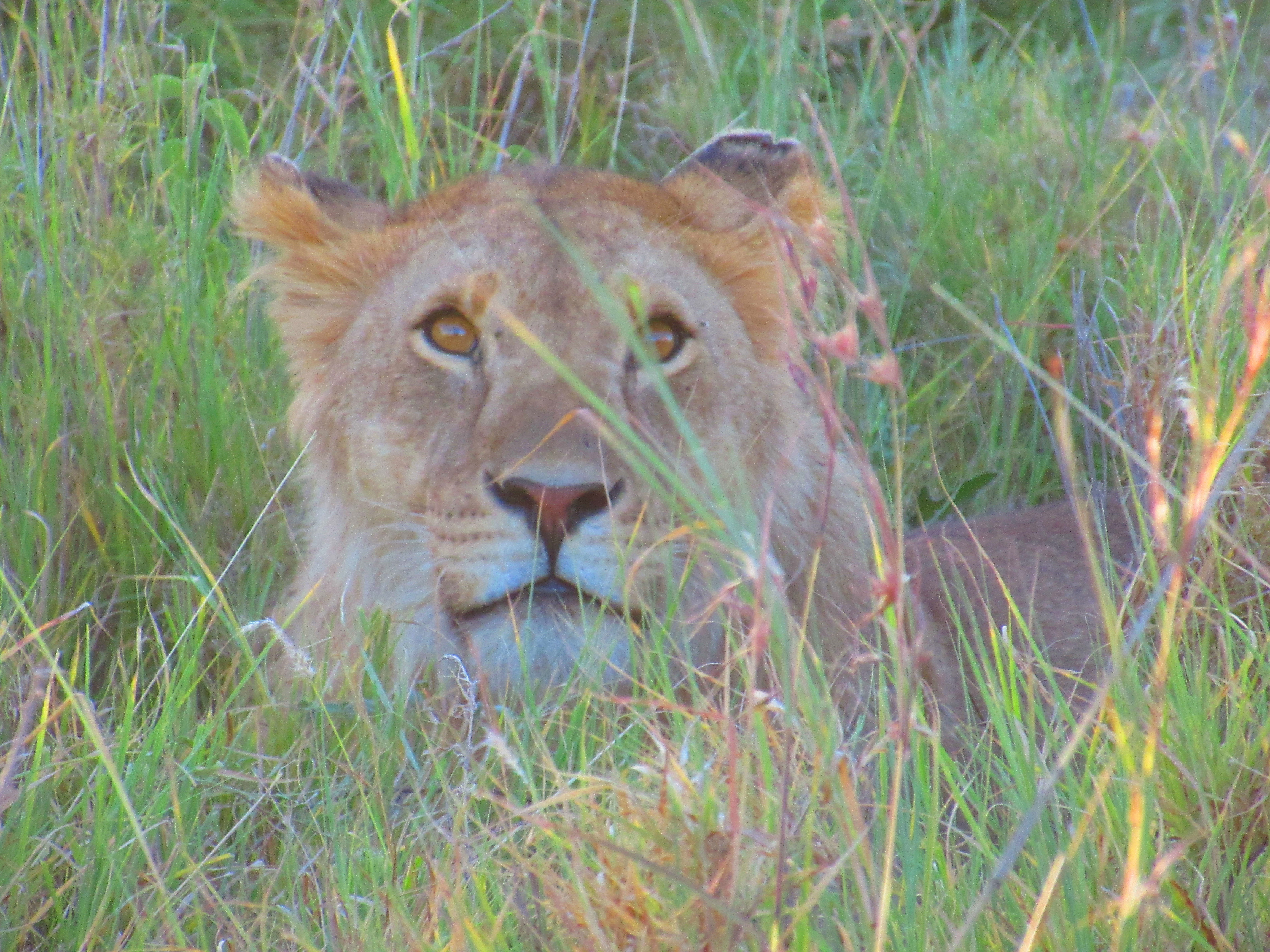
Simba

Simba

Arriving in Africa was a whirlwind of activity and not a great deal of sleep. With an 11 hour time difference as well, it was difficult to get any quality sleep, despite being exhausted. Day 1 involved a long drive in our truck to Snake Park (the name of the campsite outside Arusha) and the very next morning, we were picked up in two safari jeeps for our 3 day/2 night excursion to the Ngorongoro Crater and Serengeti National Park.

That trip was an incredible experience, especially considering the abundance of wildlife that we were able to observe. However, it has set in motion what is at least true up until now – Africa is a series of incredible pleasures that are experienced only with a measure of simultaneous suffering.

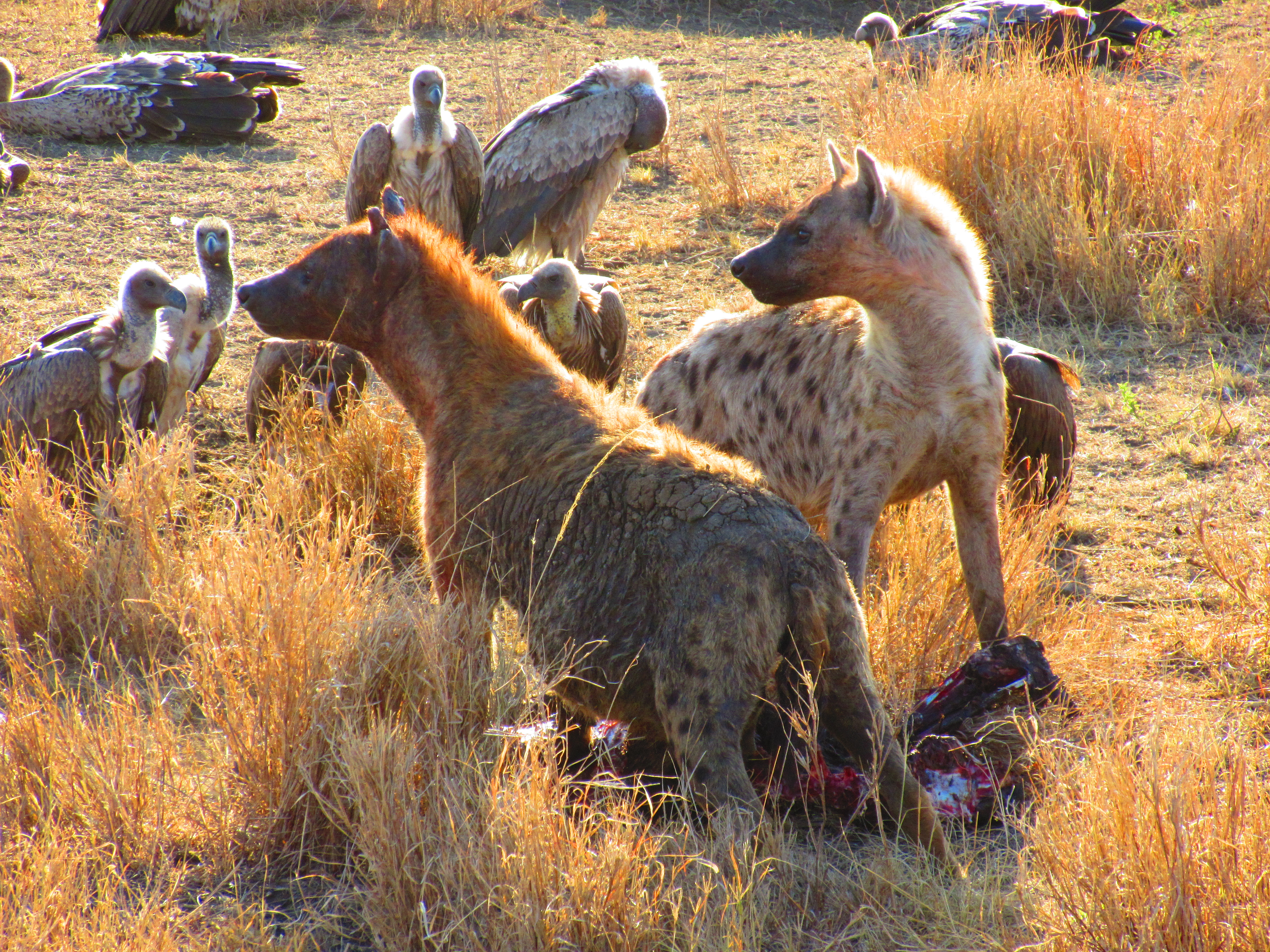
Hyenas with carriion

Hyenas with carriion

To paint a picture of the good the bad and the ugly for you: we spent many long hours driving in the jeep over extremely bumpy and rocky terrain. Our guide, Benjamin, explained that it was simply a “free back massage”. Temperatures would soar to well into the high 80s/low 90s during the heat of the day, the air is very dry and we would often bake and sunburn just from sitting in the jeeps themselves. For me, however, the greatest challenge to my enjoyment has been the dust. The sheer volume of dust that envelopes us at all times so far in Tanzania is unlike anything I’ve experienced before. My clothes are literally filthy by the end of the afternoon – I wring black water from them as soon as they are wet. I’ve started just wearing my clothes in the shower and using them as washcloths as a way of cleaning them of the dust. This is by no means the worst, however. The worst thing I have to suffer through is trying to keep my contact lenses clean in this dusty environment. The first two days in the Serengeti, my eyes hurt so bad I could barely see out of them. I would use eye drops every few hours with little relief. Switching from my two week lenses to my ultra thin monthly extended wear pair has helped a little, but it is still a constant battle.

The dust and dirt is making camping that much more challenging as well. On my first night in Arusha, I didn’t use the rain fly because it was so warm and the skies are clear (the rainy season, which was meant to have started two months ago has yet to make an appearance.) However, a dust storm developed in the middle of the night and blew half the campsite dirt onto my tent floor. With my backpack unzipped inside my tent – all the red dust got into my bag and all over my clothes. Having learned my lesson, I now leave my big bag in the truck and only bring a change of clothes into my tent with me at night. It is still a challenge to try and keep anything clean – your feet, your face, your skin, your sleeping bag, your backpack – everything is just caked in dust and dirt.

one of my favorite shots

one of my favorite shots

I am guessing that I will just have to get used to it, and almost every aspect of this trip is an adjustment – from sleeping in a tent every night for 56 days straight, to setting up and taking down camp each day, to cooking for 15 people when its your “cook group’s” turn – to getting to know 15 very different and unique individuals and having to get along as a team, respecting the group dynamic.

With that being said, the 3 day excursion was wonderful. After a very very long drive leaving at the ass raping crack of dawn, we arrived at the lookout over the Ngorongoro Crater – a 300 square kilometer reserve formed by the extinct crater whose walls have naturally formed a barrier to the 42,000 animals that have made it’s floor their permanent home. Looking out over the crater you could see the green/brown expanse’s shape and crater-like structure – but it took on an entirely different meaning from the inside after we descended its steep walls.

Very soon we were watching groups of zebra, Hyena and water buffalo foraging and drinking along the shores of lakes, dramatically set against the expanse of green. However, as we got further into the crater – we were soon witnessing a spectacle of creatures – thousands of them all gathered in the same area of fertile grass around a watering hole – Wilderbeest, zebra, Thomson Gazelle, Hartesbeast, Elephant, Rhino, Hyena, Hippos, buffalos, and other antelopes. It was a spectacle that made you feel that you were literally participating in an episoe of Planet Earth, narrated by David Attenborough.

We were also lucky enough to observe two lion prides during our game drive in the crater, and even more rare – we got to witness a Servel cat stalking it’s prey from a very close distance.

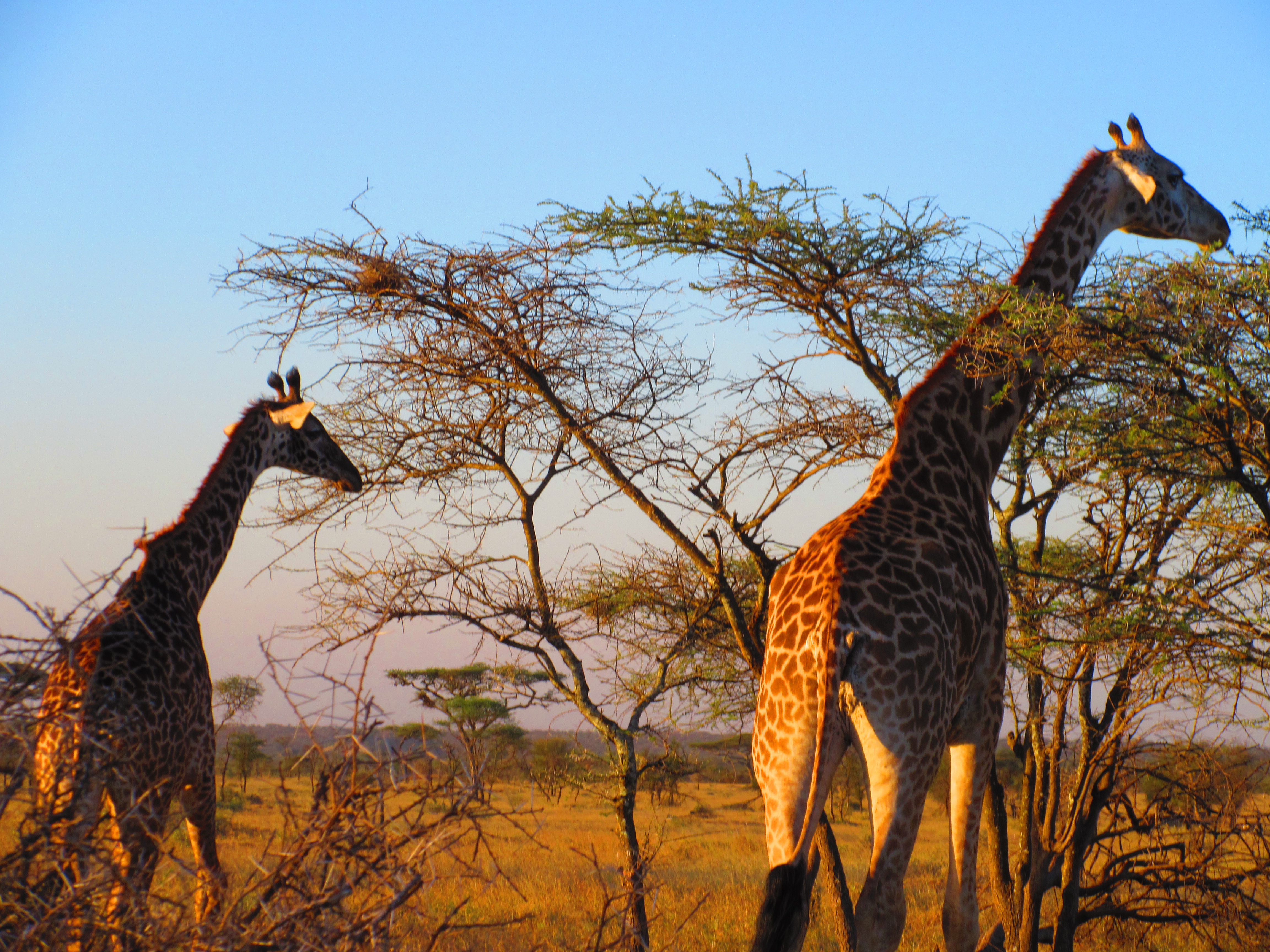
giraffes at sunset

giraffes at sunset

Stunned from the experience, we began our now 3 hour drive to the Serengeti, stopping briefly at the entrance to file paperwork and make our camping arrangements. We would be camping at a bush camp – with no fences and nothing separating us from the wildlife all around. I have to admit this was particularly unnerving, because our tents did not have a zipper that went entirely around the outside door, and one of the members of our group, an experienced Safari guide herself, insisted that a hyena could easily just make it’s way into one of our tents if it thought it smelled juicy inside. Even more disturbing, our guides warned us to be sure and check for signs of “eyes looking back at us in the dark” if we were to leave our tent in the night, or when we went to use the bathroom in the night or early morning. Apparently, a few years back, a lion decided to go into the women’s shower room in search of water.

Probably the highlight of the day was spotting a family of Cheetahs hanging out in the tall grass by a large acacia tree. Mom, dad, and baby cheetah were taking it in turn to roll, stretch, sleep and walk around the base of the tree. Just when we thought nothing much more in the way of activity was going to pass, baby cheetah decided he was going to climb the tree.

According to our guide, Benjamin, Cheetahs do NOT climb trees. He has never seen a cheetah climb a tree, not in his 5 years of being a safari guide.

Baby cheetah got about half way up the tree and then started to meow, almost like a domestic cat, as it struggled to get back down to his parents. It was such a special moment to witness that I immediately teared up and then noticed that my guide was emotional as well, especially since he shared that it is textbook that Cheetahs do NOT climb trees.

We were oh so very lucky to witness such a thing.

Our night at the bush camp thankfully passed without incident, and I found my earplugs to not only be a welcome barrier to the sounds of howling hyenas in the night, but they served to drown out the sounds of snoring campers all around me.

The following morning, with only one missing animal from the ‘Big Five’ to spot – we came upon a leopard snoozing on top of a rock. She was stunningly beautiful. Unfortunately, not so beautiful was a truck full of boozing youngsters who thought it would be approprate to start playing their music on their truck and having a party in the middle of the game drive. Zach, a member of our group asked them to turn it off, rather sternly. They turned it down, to which he remarked, ‘Off. Not down, Asshole!’ – which we all got rather a kick out of.

The Serengeti Wilderbeest migration is not yet in full swing because of the delayed rain, but we still did witness thousands of them galloping alongside their zebra counterparts heading to waterholes in the early morning mist, getting stuck in the mud, and screaming in their dumb fashion to get away. They were quite a sight.

A monkey also decided that he wanted to climb up on the roof of our vehicle and I shrieked with panic as I imagined contracting rabies if the thing got into the cab and started getting defensive. Luckily, the monkey got scared and scampered away.

It was an incredible 3 days. In the end we saw almost every form of wildlife that you could see in those parks – even Hyena scavenging on a recent kill. The only thing we missed was perhaps a rhino doing a full on song and dance show…

Exhausted from our 5am starts, I went to ‘bed’ right after dinner upon our return to Arusha and had myself some super crazy Larium dreams.

For those of you who don’t know – Larium, or Mefloquine is a weekly malaria medication which can affect one’s emotional state and/or dream cycle. That night I dreamt that our safari vehicle drove from Paris, across a glacier, to Cedar Rapids, Iowa and then back to Africa where I was falling down a raging rapid alongside a lion.

Then again, my days had been almost as crazy as those dreams.

Africa: The Journey Begins

And so it begins...Day 1 of the 56 day Nairobi - Cape Town Adventure

And so it begins…Day 1 of the 56 day Nairobi – Cape Town Adventure

I know. My last post was not quite what you were expecting for my first entry on this trip. It was sort of whiny and oddly reminiscent of the first few chapters’ of Eat Pray Love. I do apologize for the wilful complaining about my lot in life. I shall endeavor to keep the mood a little lighter in this entry. Promise.

I landed in Nairobi at around 8:30pm on a Friday night. Nairobi is not a safe place. I’ll be the first to admit that, despite the fact that I’m usually the person spouting about how safe international travel is for single females. So I was a little nervous when I emerged from the temporary terminal building only to find that among the sea of names on signs being vigorously waved by drivers, mine was not among them despite multiple assurances by my tour operator to the contrary.

Eventually, my driver, who goes by the name of Smiley, appeared with a small sign for the camp outside Nairobi where I’d be staying for one night, before embarking on the Oasis Overland 56 day tour down to Cape Town.

I’ve been to Kenya before, back in 1998, about a week after the US Embassy building had been bombed. It hadn’t changed much, but as usual, I did enjoy the wonderful warm breeze that enveloped my being as we walked towards his cab and I imagined the adventure that lay ahead.

My group consists of 13 individuals, a tour guide, and a driver. There are 4 women and 9 males ranging in age from 18 to 46. Spending this much time with such an eclectic group of individuals will be an interesting exercise in and of itself, but my first impression of my travel companions is positive. I already have a sweet affinity for the 18 year old from the U.K who goes by the name of Jerrick. He is so sweet and looks uncannily just like Keira Knightly. I’ve encouraged him to claim her as a sibling as a great pick up line.

So far, all that has transpired has been in the course of journeying out of Kenya and south to the town of Arusha – the gateway to the roof of Africa – Kilimanjaro. At least, that’s all that has happened physically – but here are some firsthand observations of the trip thus far:

– Dust is part of life in East Africa. We have been fighting sand and dust since leaving Nairobi, and here at the campsite in Arusha, I’ve learned the importance of leaving gear in the truck overnight rather than bringing it into the tent. My clothes had a 1/2 inch layer of red dirt by the morning.

– Border crossings are going to be an entertaining experience. Our guide tried to argue my case for a transit visa, since my travels will bring me back to Tanzania to try Kilimanjaro in June. After arguing for over 20 minutes, the manager of the border office finally agreed to the slightly cheaper visa. Unfortunately, he then went on his lunch break and his subordinate swiftly refused to comply with the agreed upon exchange, and charged me an additional $20 which he swiftly put in his pocket rather than in the till.

– Our truck is pretty damn cool. It can seat up to 24, though I am very grateful for a slightly smaller than maximum capacity tour. It has tarp-based windows which can be rolled up, so the whole driving experience is open-air, and the countryside whizzes past us in a very pleasant breeze. People and small children wave to us from their farms and market stands. Masai warriors stroll down village streets carrying their staffs, women balancing baskets on their heads as large as themselves.

The bus also has a sort of napping area in the front part of the cab. I have re-named it the sauna because it is at least 10 degrees hotter up there than on the rest of the truck.

– SInce we have a smaller group, and there are so few females, I get to enjoy my own tent. However, this also means that I’ll be setting it up and taking it down alone. Each tent has it’s own name, and the tent that was handed to me was aptly called “Love”. Unfortunately, love was a little broken. But only in the doorway. The doorway to Love is temporarily blocked.

– Our first campsite has a very cool bar called “Ma’s” and there are t-shirts from every corner of the earth hanging from the ceilings and walls. That first beer I drank after my first jet-lagged day on the truck was an godsend.

We are now heading into the Serengeti and the Ngorongoro Crater for a 3 day safari. I am looking forward to it. We are having a somewhat relaxing morning and I decided to write an entry. Unfortunately, my computer has decided that Day 1 of this trip is an appropriate time to die on me. I sat there turning it on and off, willing the black screen to show any signs of life. Since I am so jet-lagged and have yet to have a full night’s sleep, I’m also pretty emotional and this put me over the edge.

Our driver, Pete, took pity on me and leant me his laptop so that I could write. I am choosing to stay optimistic about my laptop. It will start working again.

Otherwise, i’ll have to think up a range of non-sexual favors that I can emply to borrow other traveler’s laptops during this journey.